Skip to Content
  • Packaging Ideas & Advice Corporate Website Custom Packaging       Sustainable Packaging
  • Get Packaging Help
Datec Packaging Online
  • 0
    My Cart
  • 0
    Favourites
  • Sign in
  • Eco Packaging
    Paper Tape Paper Mailing Bags Biodegradable Boxes
    Recycled Plastic Bags Recycled Poly Mailers Plastic Free Jiffy Bags
    Paper Void Fill Recycled Pallet Wrap Paper Bubble Wrap

    Eco Packaging

    A range of environmentally friendly packaging covering biodegradable, recyclable, and compostable products.

    All Eco Packaging
  • eCommerce
    Book Wrap Mailers eCommerce Boxes PiP Postal Boxes
    LP Record Mailers eCommerce Bags Paper Mailing Bags
    Cardboard Envelopes Air Pack Packaging Paper Void Fill

    eCommerce Packaging

    A range of packaging for ecommerce stores and online shops, including boxes, packing material, and envelope mailers.

    All eCommerce Packaging
  • Boxes
    Single Wall Boxes Double Wall Boxes Export Boxes
    Pallet Boxes Retention Packs Postal Boxes
    Postal Tubes Packing Tape Specialist Boxes

    Cardboard Boxes

    A range of cardboard boxes for packing a range of different products, and for use in ecommerce, manufacturing, and distribution.

    All Cardboard Boxes
  • Pallets
    Pallets Pallet Stretch Wrap Strapping
    Strapping Tools Heat Shrink Pallet Corners
    Pallet Top Sheets Document Envelopes Pallet Layer Pads

    Pallet Packaging

    A range of packaging products for packing, securing, and protecting palletised goods when shipping by pallet.

    View All Pallet Packaging
  • Tape
    Packing Tape E-tape Heavy Duty Tape
    Tape Guns Machine Tape Paper Tape
    Hot Melt Glue Sticks Polycloth Tape Printed Tape

    Tape & Glue

    A range of tape and glue for sealing and securing boxes and other packaging materials for shipping. 

    All Tape & Glue Products
  • Bags
    Polythene Bags Lay Flat Tubing Grip Seal Bags
    Mailing Bags Black Sacks Woven PP Sacks
    Carrier Bags Heat Sealers Cable Ties & Twine

    Packaging Bags & Sacks

    A range of bags and sacks for packing a wide range of items. Includes carrier bags and bag sealing products.

    All Packaging Bags
  • Protective
    Air Pillow Packaging Bubble Wrap Foam Packaging
    Corner Protection Void Fill Packaging Wrapping Paper
    Corrosion Protection Net Sleeving Corrugated Paper

    Protective Packaging

    A range of protective packaging for wrapping, void filling, and cushioning products for transit.

    All Protective Packaging
  • Labels
    Parcel Warning Labels Hazard Shipping Labels Printer Labels
    Cable Ties Wire Twist Ties Document Wallets
    Strung Tags Packaging Twine Staples & Staplers

    Labels, Ties & Tags

    A range of printed and plain labels, and cable ties, strung tags, and twines for labelling and securing products for shipping.

    All Labels, Ties & Tags
  • Special Offers
  • About Datec
    • The Datec Story
    • UK Manufacturing
    • Packaging Machine Servicing
    • Advice on Packaging
    • Sustainable Packaging
    • EPR Packaging
    • Contact Us
    • Delivery Info
    • FAQs
    • Legal Stuff
Datec Packaging Online
  • 0
  • 0
    • Eco Packaging
    • eCommerce
    • Boxes
    • Pallets
    • Tape
    • Bags
    • Protective
    • Labels
    • Special Offers
    • About Datec
      • The Datec Story
      • UK Manufacturing
      • Packaging Machine Servicing
      • Advice on Packaging
      • Sustainable Packaging
      • EPR Packaging
      • Contact Us
      • Delivery Info
      • FAQs
      • Legal Stuff
  • Packaging Ideas & Advice Corporate Website Custom Packaging       Sustainable Packaging
  • Sign in
  • Get Packaging Help

    Buy Packaging in Bulk      Become a Datec Supplier

  1. ​Products ​
  2. Eco Friendly Packaging
  3. Recyclable Packaging

Recyclable Packaging

Recyclable Packaging & Recycled Content Packaging

Recyclable packaging refers to materials used in product packaging that can be collected, processed, and reprocessed into new products. These materials, such as paper, cardboard, certain plastics, and metals, can go through recycling systems to reduce waste, conserve resources, and minimize environmental impact. Properly recycling packaging materials helps create a more sustainable and circular economy.

  • Products
  • More about Recyclable Packaging
  • Recycled Content Packaging
  • PPTax and Recycled Plastic Packaging

What is Recyclable Packaging?

Recyclable packaging is a type of packaging designed to be collected, processed, and reused as raw materials in the manufacturing of new products. It's an essential component of sustainable practices aimed at reducing waste, conserving resources, and minimizing the environmental impact of packaging materials. Recyclable packaging materials include various types of paper, cardboard, glass, metals like aluminum and steel, and certain plastics.

Recyclable packaging plays a crucial role in the circular economy by promoting the reuse and reintegration of materials into the production cycle, instead of being discarded after a single use. This process helps conserve energy, decrease greenhouse gas emissions, and alleviate the strain on natural resources.

Why You Should Choose Recyclable Packaging

Choosing recyclable packaging options is a proactive step toward reducing environmental impact and promoting responsible consumption and production patterns. It aligns with the global movement toward sustainability and demonstrates a commitment to reducing waste and conserving resources for a more environmentally-friendly future.

Recyclable packaging encompasses materials that can be collected, processed, and reused to create new products. Choosing recyclable packaging offers several benefits:

  1. Environmental Impact: Recyclable materials reduce the demand for new resources, conserve energy, and lower greenhouse gas emissions compared to producing virgin materials.

  2. Waste Reduction: Recycling packaging reduces the amount of waste that ends up in landfills or oceans, contributing to a cleaner and healthier environment.

  3. Resource Conservation: Using recycled materials in packaging reduces the need for raw materials like trees (for paper) or petroleum (for plastics), helping to preserve natural resources.

  4. Regulatory Compliance: Many regions encourage or mandate recycling practices, so opting for recyclable packaging helps ensure compliance with environmental regulations.

  5. Positive Brand Image: Choosing recyclable packaging demonstrates your commitment to sustainability, appealing to eco-conscious consumers and enhancing your brand's reputation.

  6. Consumer Preference: Many consumers actively seek out products with recyclable packaging, aligning their purchasing decisions with their environmental values.

  7. Circular Economy: Recyclable packaging supports a circular economy by promoting the reuse of materials, contributing to a more sustainable and efficient economic model.

  8. Market Demand: As awareness of environmental issues grows, products with recyclable packaging can gain a competitive advantage in the market.

  9. Cost Savings: Recycling materials can be more cost-effective than sourcing and processing new raw materials, potentially leading to long-term financial benefits.

  10. Innovation: The demand for recyclable packaging encourages research and innovation in material science, leading to the development of new, more sustainable packaging solutions.

  11. Educational Opportunity: Choosing recyclable packaging provides an opportunity to educate consumers about recycling practices and proper disposal, encouraging responsible behavior.

When selecting recyclable packaging, it's important to consider factors such as local recycling capabilities, consumer education, and the overall environmental impact of the chosen materials. Making the switch to recyclable packaging aligns with sustainable business practices, supports environmental conservation, and contributes to a more eco-friendly future.

What is Packaging with Recycled Content

Packaging with recycled content refers to packaging materials that are manufactured using a portion of post-consumer or post-industrial recycled materials. These recycled materials can come from a variety of sources, such as used packaging, discarded products, or manufacturing waste. The incorporation of recycled content in packaging aims to reduce the demand for virgin materials, conserve natural resources, and minimize environmental impact.

There are two main types of recycled content:

  1. Post-Consumer Recycled Content (PCR): This refers to materials that were previously used and discarded by consumers. For example, plastic bottles collected from recycling bins might be processed into new plastic packaging.

  2. Post-Industrial Recycled Content: This includes materials that were generated during the manufacturing process but never reached consumers. These materials might be excess or defective items produced during manufacturing.

Packaging with recycled content offers several benefits:

  1. Resource Conservation: Using recycled materials reduces the need for new raw materials, helping to preserve natural resources like trees, minerals, and petroleum.

  2. Energy Savings: The production of recycled materials generally requires less energy compared to the production of virgin materials, leading to reduced greenhouse gas emissions.

  3. Waste Reduction: Incorporating recycled content helps divert waste from landfills and promotes a circular economy by giving new life to existing materials.

  4. Environmental Impact: Using recycled materials reduces the environmental impact associated with extracting, processing, and transporting virgin materials.

  5. Regulatory Compliance: Many regions encourage or require the use of recycled content in packaging as part of broader environmental goals and regulations.

  6. Consumer Perception: Packaging with recycled content often appeals to environmentally conscious consumers and can enhance a brand's reputation for sustainability.

  7. Innovation: The demand for recycled content encourages innovation in materials science and recycling technologies, fostering more sustainable packaging solutions.

When utilizing packaging with recycled content, it's important to verify the source and quality of the recycled materials and ensure they meet the required standards for safety and performance. Businesses that prioritize recycled content contribute to a more sustainable and circular economy while showcasing their commitment to environmentally responsible practices.

What is the Plastic Packaging Tax

The Plastic Packaging Tax is a policy implemented by the United Kingdom government to address plastic pollution and promote the use of more sustainable packaging materials. The tax aims to reduce the production and consumption of plastic packaging that has a low recycling rate and encourage the use of recycled content in packaging.

Here's how the Plastic Packaging Tax impacts packaging:

  1. Tax on Plastic Packaging: The tax imposes a fee on plastic packaging that does not contain at least 30% recycled content. Packaging components such as films, bottles, containers, and trays are subject to this tax if they are made of plastic and fall under the tax threshold.

  2. Encouraging Recycled Content: The tax incentivizes the use of recycled plastics in packaging materials. By requiring a minimum percentage of recycled content, it aims to create demand for recycled materials and promote a circular economy.

  3. Reducing Plastic Waste: By making plastic packaging without recycled content more expensive, the tax encourages businesses to consider alternative packaging materials or incorporate recycled plastics, thereby reducing the use of virgin plastics and the resulting plastic waste.

  4. Environmental Impact: The tax is intended to help decrease the environmental impact of plastic packaging by discouraging its production and encouraging the use of materials that have a lower carbon footprint.

  5. Business Decisions: Companies that use plastic packaging are incentivized to reevaluate their packaging choices, design, and sourcing to ensure compliance with the tax and minimize costs.

  6. Consumer Awareness: The tax might also increase public awareness of plastic packaging's environmental impact and the importance of recycling and sustainable packaging solutions.

How the Plastic Packaging Tax Impacts You

The Plastic Packaging Tax can impact packaging buyers, including businesses that purchase packaging materials for their products, in several ways:

  1. Cost Considerations: Packaging buyers may experience increased costs for plastic packaging that does not meet the recycled content threshold. The tax creates a financial incentive for choosing packaging with higher recycled content, which might lead to changes in purchasing decisions and potentially higher upfront costs for packaging materials that comply with the tax.

  2. Material Selection: The tax encourages packaging buyers to explore alternative packaging materials that are not subject to the tax, such as materials with higher recycled content, biodegradable options, or other sustainable packaging solutions. Buyers might need to assess the availability, cost, and performance of these alternatives.

  3. Supplier Relationships: Packaging buyers may need to communicate with their suppliers to ensure that the packaging materials they purchase comply with the tax requirements. This could involve seeking information about recycled content, adjusting procurement contracts, or negotiating terms to account for potential cost changes.

  4. Packaging Design: The tax incentivizes packaging buyers to consider redesigning their packaging to incorporate more recycled content. This could involve collaborating with suppliers and designers to create packaging that meets both the tax requirements and the product's functional and aesthetic needs.

  5. Sustainability Goals: Businesses with sustainability goals or commitments may see the Plastic Packaging Tax as an opportunity to accelerate their efforts. Packaging buyers may prioritize sourcing materials that align with their sustainability objectives to mitigate the tax impact and enhance their environmental credentials.

  6. Supply Chain Impact: Packaging buyers might experience changes in the availability and pricing of packaging materials as suppliers adapt to the tax. Depending on market dynamics, there could be fluctuations in supply and demand for packaging with recycled content.

  7. Consumer Perception: Businesses that align with environmentally friendly practices may leverage compliance with the tax as a marketing point, signaling their commitment to reducing plastic waste and contributing to a circular economy.

  8. Adoption of Circular Economy: The tax's emphasis on recycled content supports the broader transition to a circular economy, and packaging buyers can play a role in driving this shift by prioritizing materials and suppliers that contribute to circularity.

  9. Educational Efforts: Packaging buyers may need to educate internal stakeholders, such as marketing teams or upper management, about the tax's implications and the reasons behind the decision to choose specific packaging materials.

Overall, the Plastic Packaging Tax can influence packaging buyers to make more sustainable choices, explore innovative solutions, and contribute to reducing plastic waste. It may require careful planning, collaboration with suppliers, and a strategic approach to procurement and packaging design.

How Adding Recycled Content to Plastic Packaging Impacts the Quality

When recycled content is added to plastic, it can impact the properties, characteristics, and behavior of the plastic material. The extent of these changes depends on factors such as the type of plastic, the percentage of recycled content, and the quality of the recycling process. Here are some general ways in which plastic can change when recycled content is added:

  1. Physical Properties: The addition of recycled content can alter the physical properties of plastic, including its strength, flexibility, and durability. Depending on the type and quality of recycled material, the plastic may exhibit slightly different mechanical behaviors compared to pure virgin plastic.

  2. Color and Appearance: Recycled content can introduce color variations and impurities into the plastic. The final product might have a slightly different appearance compared to virgin plastic, potentially featuring specks or variations in color.

  3. Processing Characteristics: The presence of recycled material can affect the processing behavior of plastic during manufacturing. This might involve adjustments to processing parameters such as temperature, pressure, and cycle times.

  4. Degradation and Stability: Some properties related to heat resistance, UV stability, and long-term durability might be affected by the introduction of recycled content. Depending on the quality of the recycling process, the plastic may experience changes in these aspects.

  5. Compatibility: Different types of plastics might have varying compatibility when blended together. The interaction between virgin plastic and recycled content can influence the overall material properties.

  6. Molecular Structure: Recycled content may lead to changes in the molecular structure of the plastic, potentially affecting its crystallinity, molecular weight distribution, and overall polymer characteristics.

  7. Processing Energy: Some recycled materials might require more energy during processing due to factors like degradation or impurities, which could influence the overall energy efficiency of production.

  8. Recycling Cycle: When plastic with recycled content undergoes further recycling, it might experience cumulative changes in properties with each cycle. This is particularly relevant for materials with multiple recycling loops.

It's important to note that advancements in recycling technology and processes have led to improved methods for producing high-quality recycled plastics with properties more closely resembling virgin plastics. However, some variability in properties is still to be expected, especially when using recycled content from mixed sources.

The changes that occur when adding recycled content to plastic underscore the importance of careful material selection, quality control, and testing during the manufacturing process. Manufacturers and product designers must consider these changes to ensure that the final product meets the required performance, safety, and regulatory standards.

  • Recyclable Packaging
  • Biodegradable Packaging
[5265] 500mm x 20mu Standard Stretch Cast Machine Pallet Stretch Film Roll, 30%+ Recycled
500mm x 20mu Standard Stretch Cast Machine Pallet Stretch Film Roll, 30%+ Recycled
£ 67.28
[SB060] 600mm x 100m Small Bubblewrap (Pack of 2), 30%+ Recycled
600mm x 100m Small Bubblewrap (Pack of 2), 30%+ Recycled
£ 47.12
[BB6] Bubble Bag 305 x 435mm + Lip, BB6 (Box of 150)
Bubble Bag 305 x 435mm + Lip, BB6 (Box of 150)
£ 53.83
[CR045] Corrugated Paper Roll 450mm x 75m 100% Recycled Paper
Corrugated Paper Roll 450mm x 75m 100% Recycled Paper
£ 21.95
[242301812] Double Wall Box 760 x 455 x 305mm Multicrease
Double Wall Box 760 x 455 x 305mm Multicrease
£ 3.65
[ECO5050] Eco-Friendly Brown Paper Tape Roll 50mm x 50m Hot Melt
Eco-Friendly Brown Paper Tape Roll 50mm x 50m Hot Melt
£ 2.50
[FU080] Foam Edge Protector U80  60-80mm x 2m 100% Recycled Plastic (Box of 80m)
Foam Edge Protector U80 60-80mm x 2m 100% Recycled Plastic (Box of 80m)
£ 123.31
[PPMBC7GREY] Grey Opaque 450 x 550mm Mailing Bag 18" x 22" (Box of 200)
Grey Opaque 450 x 550mm Mailing Bag 18" x 22" (Box of 200)
£ 34.20
[PRO0A4] Gripseal Bag 225 x 320mm, 30%+ Recycled (1000)
Gripseal Bag 225 x 320mm, 30%+ Recycled (1000)
£ 50.44
[ECO5050S] High Performance Brown Kraft Paper Tape Roll 50mm x 50m Natural Rubber Adhesive
High Performance Brown Kraft Paper Tape Roll 50mm x 50m Natural Rubber Adhesive
£ 2.04
[SP1210] Medium Duty UK Standard Pallet 1200mm x 1000mm Reconditioned
Medium Duty UK Standard Pallet 1200mm x 1000mm Reconditioned
£ 18.00
[PMB0812] Paper Mailing Bag 190mm x 300mm + 50mm Gusset with Peel & Seal Closure (Pack of 500)
Paper Mailing Bag 190mm x 300mm + 50mm Gusset with Peel & Seal Closure (Pack of 500)
£ 155.12
[PPB203012] Polythene Bag 500 x 750mm 120g
Polythene Bag 500 x 750mm 120g
£ 98.92
[SHP35] Recycled Bulk Shredded Paper for Packaging (30kg Bale) Up to 50% off!
Recycled Bulk Shredded Paper for Packaging (30kg Bale)
£ 67.20
[TPSBE30] Tufpac 278 x 400mm Capacity Cardboard Envelope (Box of 100)
Tufpac 278 x 400mm Capacity Cardboard Envelope (Box of 100)
£ 52.17
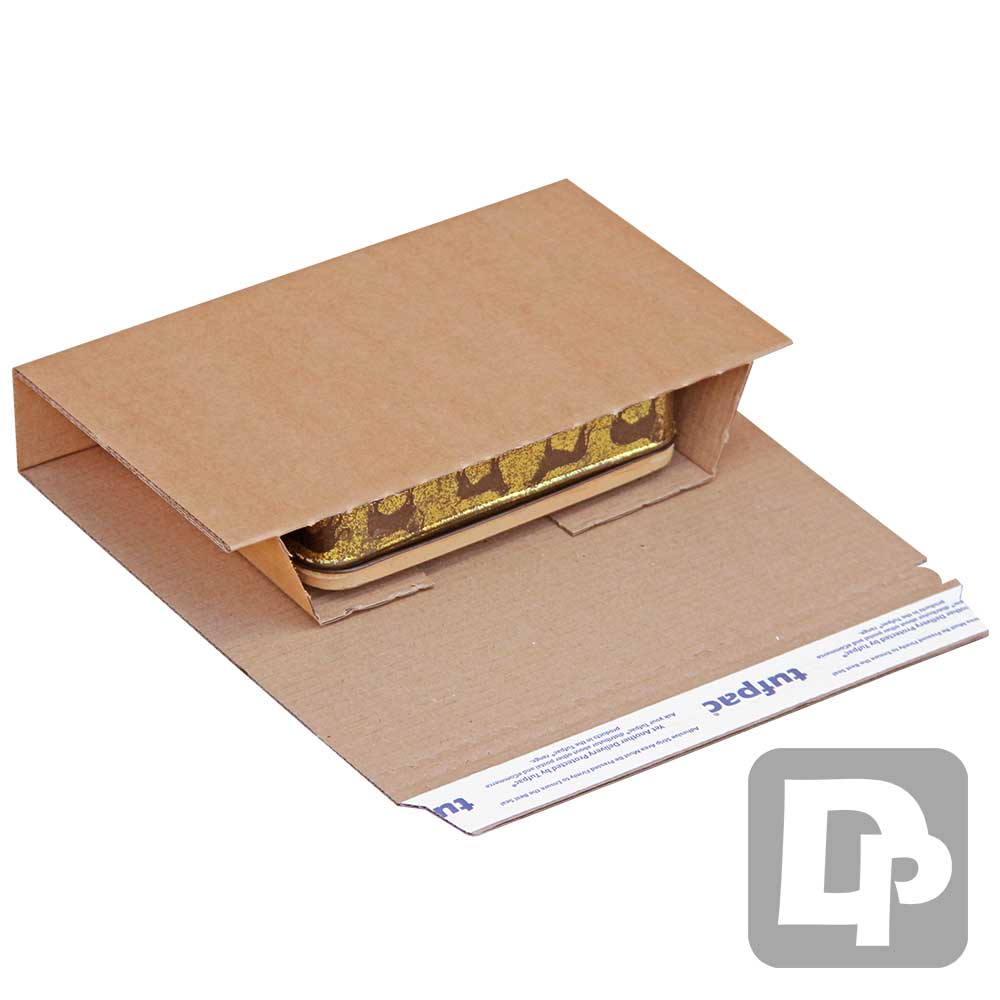
[TPBWE025-0050] Tufpac® 326 x 280 x 0-100mm Standard C4 Book Wrap (Pack of 50) Tufpac® Economy Book Wrap 326mm x 280mm x 0-100mm
Tufpac® 326 x 280 x 0-100mm Standard C4 Book Wrap
£ 0.73
[ECBP0608] eComBag® Padded 150 x 215mm Biodegradable Mailing Bag (Box of 100)
eComBag® Padded 150 x 215mm Biodegradable Mailing Bag (Box of 100)
£ 17.71
[LFT0425] ​​​Layflat Tubing Roll 100mm 250g 4kg 330m Up to 50% off!
​​​Layflat Tubing Roll 100mm 250g 4kg 330m
£ 19.15

Clear Filters
Datec Packaging Ltd is member of an FSC® (Forest Stewardship Council®) certified group (FSC-C004309) FSC® certified products available on request
Copyright © Datec Packaging Ltd
Powered by Odoo - The #1 Open Source eCommerce