Skip to Content
  • Packaging Ideas & Advice Corporate Website Custom Packaging       Sustainable Packaging
  • Get Packaging Help
Datec Packaging Online
  • 0
    My Cart
  • 0
    Favourites
  • Sign in
  • Eco Packaging
    Paper Tape Paper Mailing Bags Biodegradable Boxes
    Recycled Plastic Bags Recycled Poly Mailers Plastic Free Jiffy Bags
    Paper Void Fill Recycled Pallet Wrap Paper Bubble Wrap

    Eco Packaging

    A range of environmentally friendly packaging covering biodegradable, recyclable, and compostable products.

    All Eco Packaging
  • eCommerce
    Book Wrap Mailers eCommerce Boxes PiP Postal Boxes
    LP Record Mailers eCommerce Bags Paper Mailing Bags
    Cardboard Envelopes Air Pack Packaging Paper Void Fill

    eCommerce Packaging

    A range of packaging for ecommerce stores and online shops, including boxes, packing material, and envelope mailers.

    All eCommerce Packaging
  • Boxes
    Single Wall Boxes Double Wall Boxes Export Boxes
    Pallet Boxes Retention Packs Postal Boxes
    Postal Tubes Packing Tape Specialist Boxes

    Cardboard Boxes

    A range of cardboard boxes for packing a range of different products, and for use in ecommerce, manufacturing, and distribution.

    All Cardboard Boxes
  • Pallets
    Pallets Pallet Stretch Wrap Strapping
    Strapping Tools Heat Shrink Pallet Corners
    Pallet Top Sheets Document Envelopes Pallet Layer Pads

    Pallet Packaging

    A range of packaging products for packing, securing, and protecting palletised goods when shipping by pallet.

    View All Pallet Packaging
  • Tape
    Packing Tape E-tape Heavy Duty Tape
    Tape Guns Machine Tape Paper Tape
    Hot Melt Glue Sticks Polycloth Tape Printed Tape

    Tape & Glue

    A range of tape and glue for sealing and securing boxes and other packaging materials for shipping. 

    All Tape & Glue Products
  • Bags
    Polythene Bags Lay Flat Tubing Grip Seal Bags
    Mailing Bags Black Sacks Woven PP Sacks
    Carrier Bags Heat Sealers Cable Ties & Twine

    Packaging Bags & Sacks

    A range of bags and sacks for packing a wide range of items. Includes carrier bags and bag sealing products.

    All Packaging Bags
  • Protective
    Air Pillow Packaging Bubble Wrap Foam Packaging
    Corner Protection Void Fill Packaging Wrapping Paper
    Corrosion Protection Net Sleeving Corrugated Paper

    Protective Packaging

    A range of protective packaging for wrapping, void filling, and cushioning products for transit.

    All Protective Packaging
  • Labels
    Parcel Warning Labels Hazard Shipping Labels Printer Labels
    Cable Ties Wire Twist Ties Document Wallets
    Strung Tags Packaging Twine Staples & Staplers

    Labels, Ties & Tags

    A range of printed and plain labels, and cable ties, strung tags, and twines for labelling and securing products for shipping.

    All Labels, Ties & Tags
  • Special Offers
  • About Datec
    • The Datec Story
    • UK Manufacturing
    • Packaging Machine Servicing
    • Advice on Packaging
    • Sustainable Packaging
    • EPR Packaging
    • Contact Us
    • Delivery Info
    • FAQs
    • Legal Stuff
Datec Packaging Online
  • 0
  • 0
    • Eco Packaging
    • eCommerce
    • Boxes
    • Pallets
    • Tape
    • Bags
    • Protective
    • Labels
    • Special Offers
    • About Datec
      • The Datec Story
      • UK Manufacturing
      • Packaging Machine Servicing
      • Advice on Packaging
      • Sustainable Packaging
      • EPR Packaging
      • Contact Us
      • Delivery Info
      • FAQs
      • Legal Stuff
  • Packaging Ideas & Advice Corporate Website Custom Packaging       Sustainable Packaging
  • Sign in
  • Get Packaging Help

    Buy Packaging in Bulk      Become a Datec Supplier

  1. ​Products ​
  2. Eco Friendly Packaging
  3. Biodegradable Packaging

Biodegradable Packaging

Biodegradable Packaging

Biodegradable packaging refers to materials used for packaging that can naturally break down and decompose into natural elements when exposed to environmental conditions, such as moisture, heat, and microorganisms. These materials include certain types of plant-based plastics, paper, and other organic compounds. Biodegradable packaging aims to reduce environmental impact by minimizing long-lasting waste and offering a more sustainable alternative to conventional packaging materials.

  • Products
  • More about Biodegradable Packaging
  • Plastic Free Packaging

Biodegradable Certified Products available on request, please contact our team to discuss your requirements.

More About Biodegradable Packaging

Biodegradable packaging is a type of packaging material designed to break down naturally into harmless components when exposed to certain environmental conditions, such as moisture, heat, and microorganisms. It offers an eco-friendly alternative to traditional packaging materials that often contribute to long-lasting waste and environmental pollution. Here's a comprehensive overview of biodegradable packaging:

Types of Biodegradable Materials:

  1. Bioplastics: Derived from renewable sources like cornstarch, sugarcane, or potatoes, bioplastics are versatile and can be used to create a wide range of packaging items.
  2. Paper and Cardboard: Natural materials like paper and cardboard are biodegradable and can be used for various packaging applications, from boxes to food wrappers.
  3. Natural Fibers: Packaging made from materials like jute, cotton, hemp, or coconut fibers is biodegradable and compostable.
  4. Edible Packaging: Some innovative biodegradable packaging is edible, such as those made from seaweed, rice, or potato starch. These materials can be consumed along with the food they contain.

Benefits of Biodegradable Packaging:

  1. Reduced Environmental Impact: Biodegradable packaging breaks down naturally, reducing the burden on landfills and minimizing pollution.
  2. Resource Efficiency: Many biodegradable materials come from renewable resources, reducing the reliance on fossil fuels and non-renewable materials.
  3. Less Pollution: Biodegradable packaging generates fewer greenhouse gases during production and disposal compared to conventional plastics.
  4. Versatility: Biodegradable materials can be adapted for various packaging needs, from single-use items to durable containers.
  5. Consumer Appeal: Many environmentally conscious consumers prefer products with biodegradable packaging, influencing purchasing decisions.
  6. Innovation: The development of biodegradable packaging fosters innovation in sustainable materials, driving progress in the packaging industry.

Considerations and Challenges:

  1. Degradation Time: Biodegradable materials degrade over time, but the rate can vary based on factors like temperature, moisture, and microbial activity.
  2. Certification: Some biodegradable materials require certification to ensure they meet specific standards for biodegradability and compostability.
  3. Recycling Compatibility: Biodegradable materials can sometimes contaminate recycling streams if not properly sorted.
  4. End-of-Life Management: Biodegradable packaging might require specific disposal methods, such as composting, to ensure proper degradation.
  5. Performance: The properties of biodegradable materials can differ from traditional plastics, affecting factors like strength, barrier properties, and shelf life.
  6. Cost: Biodegradable packaging materials can be more expensive to produce than conventional plastics, impacting production costs.

Biodegradable packaging plays a vital role in reducing the environmental impact of packaging materials. It offers a more sustainable choice for businesses and consumers looking to minimize waste and contribute to a healthier planet. However, careful consideration of material properties, end-of-life management, and industry standards is essential to ensure effective implementation.

The Different Certifications for Biodegradable Packaging

Certifications for biodegradable packaging ensure that the materials meet specific standards for environmental impact, biodegradability, and compostability. These certifications provide confidence to consumers, businesses, and regulatory authorities that the packaging materials are genuinely eco-friendly. Here are some of the prominent certifications for biodegradable packaging:

  1. ASTM D6400: This certification is provided by the American Society for Testing and Materials (ASTM) and applies to compostable plastics. It ensures that the material will break down in a composting facility within a specified timeframe, leaving behind no toxic residues.
  2. ASTM D6868: Similar to D6400, this certification is also offered by ASTM and focuses on biodegradable plastics designed for anaerobic digestion (e.g., in landfills).
  3. EN 13432: This European standard specifies requirements for packaging recoverable through composting and biodegradation. It ensures that the packaging breaks down into carbon dioxide, water, and biomass within a set timeframe.
  4. OK Compost / OK Compost Home: These certifications, offered by TÜV Austria, indicate that the packaging is suitable for industrial composting or home composting, respectively.
  5. Seedling Logo: Provided by European Bioplastics, the Seedling logo is used to identify products and packaging made from certified compostable plastics according to EN 13432 or ASTM D6400.
  6. Biodegradable Products Institute (BPI): This North American organization certifies products as compostable according to ASTM D6400 or D6868 standards. BPI-certified products are accepted in commercial composting facilities.
  7. Home Compostable Certification: Offered by various organizations, this certification indicates that the packaging is suitable for home composting and meets specific degradation criteria.
  8. DIN CERTCO: A German certification body that offers compostability certification based on the EN 13432 and ASTM D6400 standards.
  9. Ecocert: This certification organization provides verification for organic and ecological products, including biodegradable and compostable materials.
  10. Australian Standard AS 4736: Specifies requirements for compostable plastics in Australia, including testing methods and degradation criteria.

It's important to note that the availability and recognition of certifications can vary by region and market. When seeking biodegradable packaging, businesses should look for products that carry reputable certifications relevant to their geographic location and disposal methods. These certifications help ensure that the packaging materials meet specific sustainability and environmental criteria.

Exploring Plastic-free Packaging Options

Plastic-free packaging refers to packaging materials and solutions that do not contain or rely on traditional plastic materials. It aims to reduce plastic pollution, minimize environmental impact, and promote more sustainable alternatives. Plastic-free packaging options are becoming increasingly popular as businesses and consumers seek eco-friendly alternatives. Here's more information about plastic-free packaging:

Types of Plastic-Free Packaging:

  1. Paper and Cardboard: These materials are commonly used as alternatives to plastic for various packaging applications, such as boxes, bags, and labels.
  2. Glass: Glass containers and bottles are durable and widely recyclable, offering a sustainable option for packaging beverages, condiments, and cosmetics.
  3. Metal: Metal packaging, such as aluminum cans and steel tins, is durable, lightweight, and easily recyclable.
  4. Biodegradable Plastics: While not traditional plastics, certain biodegradable or compostable plastics made from renewable sources can serve as plastic alternatives.
  5. Fabric and Textiles: Cloth bags, pouches, and wraps made from natural fibers provide reusable and eco-friendly packaging options.
  6. Wood: Wooden crates, boxes, and trays offer a rustic and biodegradable packaging solution.
  7. Natural Materials: Packaging made from materials like bamboo, coconut shells, or palm leaves can provide unique and sustainable packaging options.

Benefits of Plastic-Free Packaging:

  1. Reduced Plastic Pollution: Plastic-free packaging helps reduce the amount of plastic waste that ends up in landfills, oceans, and natural environments.
  2. Sustainable Sourcing: Many plastic-free packaging materials are derived from renewable resources, contributing to a more sustainable supply chain.
  3. Recyclability and Biodegradability: Plastic-free materials are often more easily recyclable or biodegradable, reducing the long-term environmental impact.
  4. Consumer Appeal: Plastic-free packaging resonates with environmentally conscious consumers who prioritize products with minimal plastic content.
  5. Brand Image: Businesses that adopt plastic-free packaging can enhance their brand image by showcasing a commitment to sustainability.
  6. Innovation: The pursuit of plastic-free solutions encourages innovation in packaging design and materials, driving positive changes in the industry.

Challenges and Considerations:

  1. Functional Properties: Some plastic-free materials might have different properties compared to plastic, affecting aspects like barrier properties, durability, and shelf life.
  2. Cost: Plastic-free packaging materials can sometimes be more expensive than conventional plastics, impacting production costs.
  3. Consumer Education: Plastic-free packaging might require consumer education about proper handling, storage, and disposal.
  4. Supply Chain: Availability and consistency of plastic-free materials in the supply chain can sometimes be a challenge.
  5. Regulations: Depending on the region, certain regulations and standards might apply to packaging materials, influencing the adoption of plastic-free options.

Plastic-free packaging is part of a broader effort to reduce plastic waste and transition toward more sustainable packaging solutions. Businesses and consumers alike play a role in driving the adoption of plastic-free packaging and promoting a more environmentally friendly approach to product packaging.

  • Recyclable Packaging
  • Biodegradable Packaging
[PMB1217] 300 x 430mm Compostable Paper Mailing Bag with 80mm Gusset (Pack of 200)
300 x 430mm Compostable Paper Mailing Bag with 80mm Gusset (Pack of 200)
£ 83.78
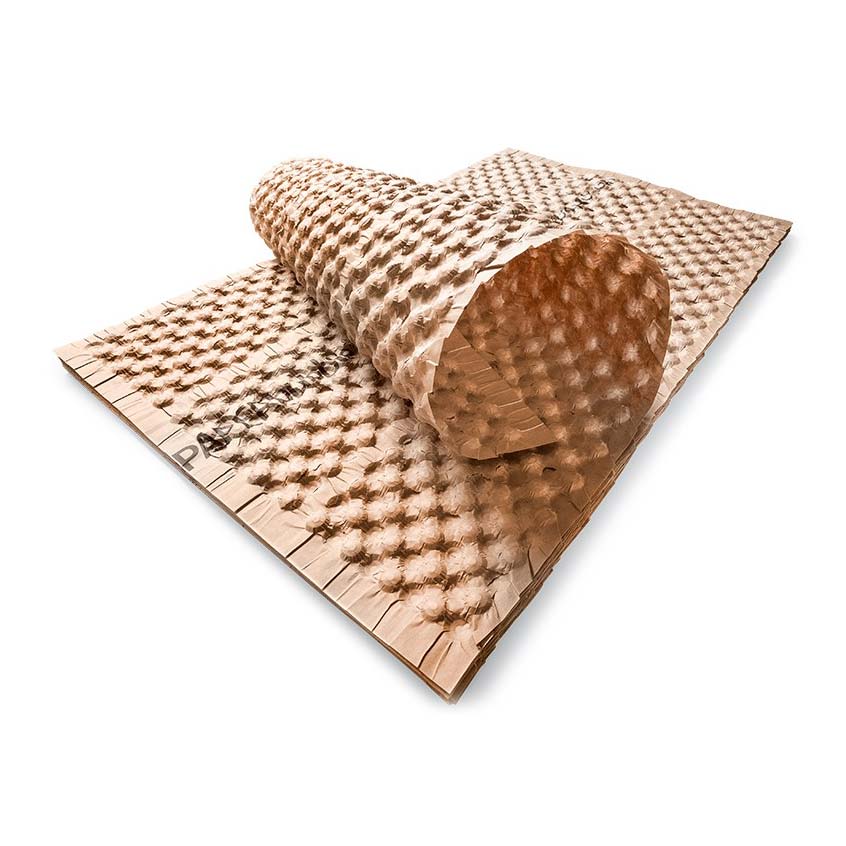
[BBPB580B] 580 x 380mm Brown PAPERBubble Paper Bubblewrap Sheets (Box of 300) Brown Paper Bubble Wrap Sheets
580 x 380mm Brown PAPERBubble Paper Bubblewrap Sheets (Box of 300)
£ 59.35
[BBPB580W] 580 x 380mm White PAPERBubble Paper Bubblewrap Sheets (Box of 300) Brown Paper Bubble Wrap Sheets
580 x 380mm White PAPERBubble Paper Bubblewrap Sheets (Box of 300)
£ 66.93
[CR120] Corrugated Paper Roll 1200mm x 75m 100% Recycled Paper
Corrugated Paper Roll 1200mm x 75m 100% Recycled Paper
£ 56.88
[CR030] Corrugated Paper Roll 300mm x 75m 100% Recycled Paper
Corrugated Paper Roll 300mm x 75m 100% Recycled Paper
£ 14.98
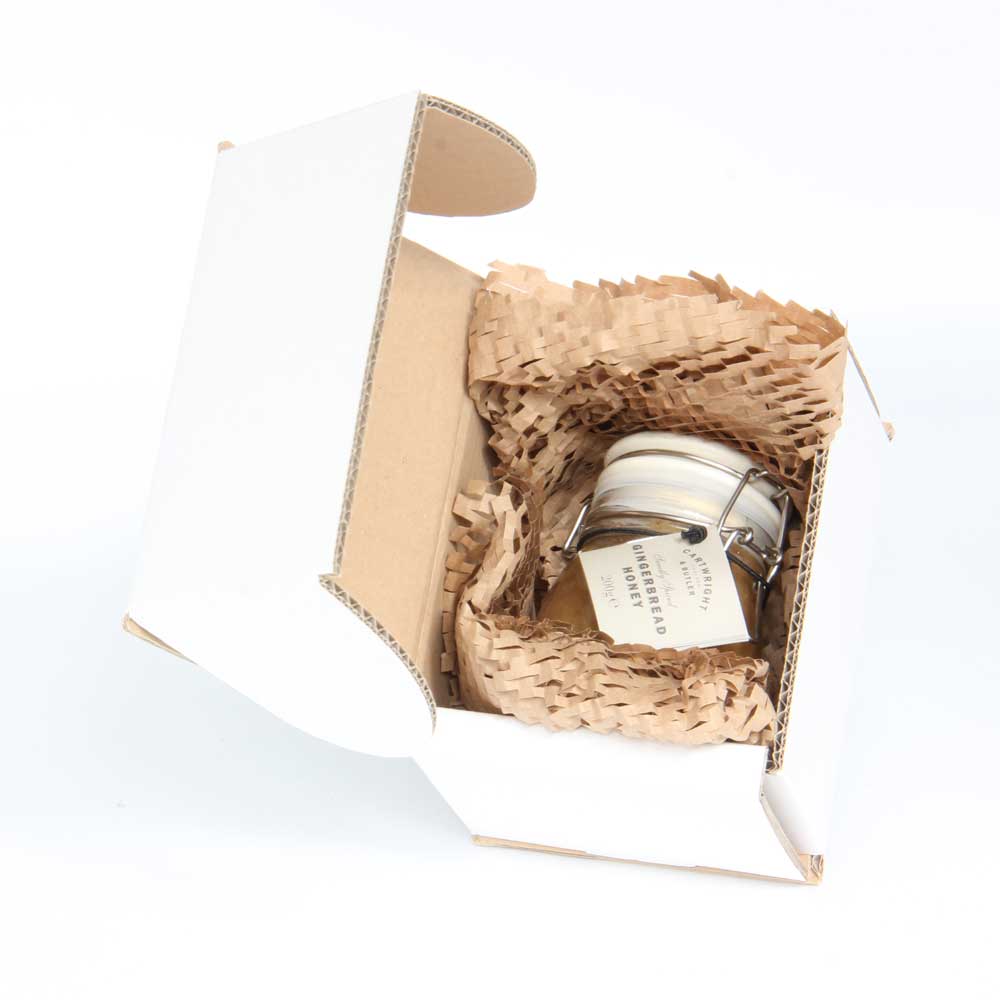
[BBGW20] Geami WrapPak Honeycomb Paper Bubblewrap Roll 500mm x 250m Brown Geami WrapPak Kraft Paper Bubble Wrap Used as Void Fill
Geami WrapPak Honeycomb Paper Bubblewrap Roll 500mm x 250m Brown
£ 61.58
[KPRI09090] Imitation Kraft Paper Roll 900mm x 180m 90gsm
Imitation Kraft Paper Roll 900mm x 180m 90gsm
£ 39.35
[AFT4570] White Acid Free Tissue Paper 450 x 700mm (18 x 28") (Ream)
White Acid Free Tissue Paper 450 x 700mm (18 x 28") (Ream)
£ 11.85

Clear Filters
Datec Packaging Ltd is member of an FSC® (Forest Stewardship Council®) certified group (FSC-C004309) FSC® certified products available on request
Copyright © Datec Packaging Ltd
Powered by Odoo - The #1 Open Source eCommerce